What does it mean when inventory decreases?
 Ava Mcdaniel
 .
Just so, what happens when inventory decreases?
An overall decrease in inventory cost results in a lower cost of goods sold. Gross profit increases as the cost of goods sold decreases. With all other accounts being equal, a bigger gross profit can translate into higher profits.
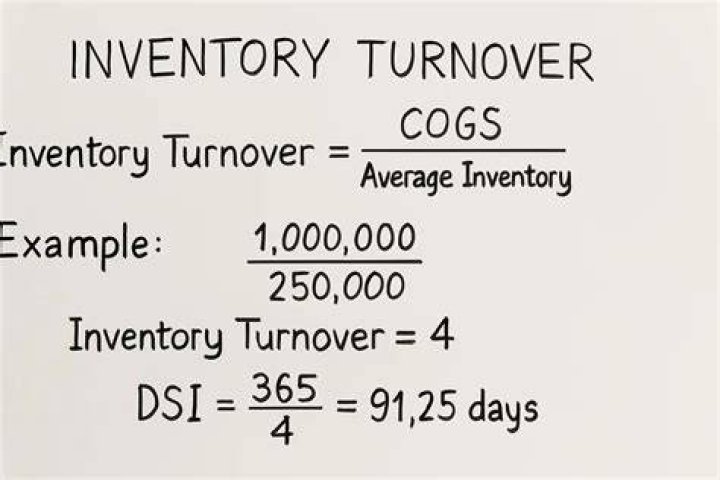
Also, why is low inventory turnover bad? Impact of Inventory Turnover Additionally, a low turnover ratio is a bad sign for business because those items sitting on a shelf will deteriorate over time, meaning it will be much more difficult to sell and may, in fact, mean you'll have to write-down the cost in order to sell those items at all.
In this way, what causes inventory to decrease?
The most common cause of decreasing inventory turnover is a decrease in sales. If you misjudged the demand and stocked up on the product, this could be a reason. An analysis of market situations must be done before you stock up to avoid this. Returns from a prior period can also lead to decreasing turnover ratio.
What does low inventory days mean?
A low days inventory outstanding indicates that a company is able to more quickly turn its inventory into sales. Therefore, a low DIO translates to an efficient business in terms of inventory management and sales performance.
Related Question Answers
What causes inventory to increase?
Costs and SalesCompanies can increase the inventory turnover ratio by driving input costs lower and sales higher. Cost management lowers the cost of goods sold, which drives profitability and cash flow higher. Reducing supplier lead times could also increase turnover ratios.Does inventory affect profit and loss?
Inventory PurchasesYou record the value of the inventory; the offsetting entry is either cash or accounts payable, depending on the method you used to purchase the goods. At this point, you have not affected your profit and loss or income statement.What is a good inventory turnover ratio?
For many ecommerce businesses, the ideal inventory turnover ratio is about 4 to 6. All businesses are different, of course, but in general a ratio between 4 and 6 usually means that the rate at which you restock items is well balanced with your sales.How do you analyze inventory?
To perform this analysis, you'll need to know: Number of inventory products in stock.
Analyze and break down data to optimize inventory levels
- 1 – Analyzing your average inventory investment period:
- 2 – Analyze your inventory to sales ratio:
- 3 – Analyze your Inventory investment vs turnover analysis:
What is inventory gain?
Inventory gain arises when a company buys raw material (crude oil in case of IOC) at a particular price, but by the time it is shipped to India and processed, international prices would have moved up.What does change in inventory mean?
Inventory change is the difference between the inventory totals for the last reporting period and the current reporting period. The concept is used in calculating the cost of goods sold, and in the materials management department as the starting point for reviewing how well inventory is being managed.How inventory affects cash flow?
Inventory levels have a direct effect on the cash flow. A company with a limited cash flow will severely damage its expenditures if it ties up much needed funds in inventory that is not required. An increase in inventory requires an increase in space and labor.What is inventory change?
Inventory change is the difference between the amount of last period's ending inventory and the amount of the current period's ending inventory. This account is presented as an adjustment to purchases in determining the company's cost of goods sold.What's a good inventory turnover ratio?
What is the best inventory turnover ratio? For many ecommerce businesses, the ideal inventory turnover ratio is about 4 to 6. All businesses are different, of course, but in general a ratio between 4 and 6 usually means that the rate at which you restock items is well balanced with your sales.What happens when inventory increases?
An increase in a company's inventory indicates that the company has purchased more goods than it has sold. Since the purchase of additional inventory requires the use of cash, it means there was an additional outflow of cash. An outflow of cash has a negative or unfavorable effect on the company's cash balance.What do high inventory turns indicate?
High Inventory TurnoverInventory turnover is an indicator of the demand for the company's products. If inventory turnover is high, it means that the company's product is in demand. It could also mean the company initiated an effective advertising campaign or sales promotion that caused a boost in sales.How can you reduce inventory?
Here are 10 strategies to choose from, any one of which could help you reach your desired amount of inventory costs.- Avoid Minimum Order Quantities.
- Know Your Reorder Point.
- Organize Your Warehouse.
- Get Rid of Obsolete Stock.
- Implement a Just-in-Time Inventory System.
- Use Consignment Inventory.
- Reduce Your Lead Time.
What factors affect inventory turnover?
Let's look at the main factors that can affect inventory processes.- Financial Factors. Factors such as the cost of borrowing money to stock enough inventory can greatly influence inventory management.
- Suppliers. Suppliers can have a huge influence on inventory control.
- Lead Time.
- Product Type.
- Management.
- External Factors.
What does an increase in inventory days mean?
Examples or Reasons for High Inventory DaysAssume that a company maintains a constant quantity of items in inventory. If economic or competitive factors cause a sudden and significant drop in sales, the inventory days or days' sales in inventory will increase.Is inventory an asset?
Inventory appears on your balance sheet as an asset, or something you own. In practical terms, however, inventory can be an asset or a liability, depending on how much you have, which particular items you're stocking and how you use them.How do you increase inventory turnover ratio?
Here are some ways to alter your inventory turnover ratio for the betterment of your sales strategy:- Save Time.
- Turn to Automation.
- Reduce Costs.
- Increase Demand for Inventory.
- Review Business Pricing Strategy.
- Better Forecasting.
- Eliminate Stagnant Inventory.
- Optimize Supply Chain.